Hotel Website Design: The Ultimate Guide to Maximizing Direct Bookings
Quick Summary
- Core Objective: Turn passive hotel website traffic into direct commission-free bookings using conversion-focused web architecture.
- Key Features: Fast single-screen booking engines, mobile-first design protocols, persistent action triggers, and live inventory validation.
- UX Focus: Frictionless three-click information structures that eliminate reservation abandonment.
- SEO Impact: Structured schema deployments and local authority scaling to outrank Online Travel Agencies (OTAs).
What Is Hotel Website Design and Why It Matters
Hotel website design is the strategic development of a digital storefront engineered specifically for the hospitality sector. It goes beyond aesthetics. Every framework, asset, and interactive script must serve a explicit business purpose: guiding a traveler from discovery to a finalized room reservation.
The Financial Impact of Direct Bookings
Relying exclusively on Online Travel Agencies (OTAs) cuts deeply into your profit margins through steep commission fees. A high-performance hotel website acts as your direct sales channel. When your portal converts visitors efficiently, you retain maximum revenue per room and establish clear ownership over the guest lifecycle right from the start.
Establishing Trust Before Arrival
Your web interface sets the baseline expectation for the physical guest experience. Slow loading speeds, broken layouts, or confusing reservation paths signal operational neglect. A polished, structured interface builds instant professional authority, assuring travelers that your physical services match your digital standards.
Reducing Digital Intermediary Dependence
A corporate web presence gives your brand the power to run independent marketing campaigns. By utilizing targeted local traffic and paid search strategies, you route users directly to your own assets. This reduces your reliance on third-party aggregation platforms and protects your market share.
Essential Features Every Hotel Website Should Include
To compete effectively in the modern hospitality market, your website must function as a high-performance sales engine. It requires specific tools that reduce user friction and answer buyer questions immediately.
Frictionless Booking Engine Integrations
The booking engine is the heart of your platform. It must be built directly into the main interface rather than forcing users through jarring third-party redirects. Keep the date selection, room configuration, and payment fields clean, fast, and secure to prevent users from dropping off at checkout.
High-Definition Immersive Visual Assets
In hospitality marketing, visual proof drives conversions. Use optimized, fast-loading photography and immersive video tours to showcase your rooms, amenities, and unique views. This builds high visual value and helps justify your premium room rates.
Dynamic Real-Time Rate Architecture
Transparency builds confidence. Your platform must display real-time pricing options and direct room availability across all seasonal blocks. Clear, side-by-side room comparisons let users quickly evaluate different tiers and upgrades without leaving the checkout page.
Integrated Social Proof Frameworks
Modern travelers rarely book without validation. Display verified guest reviews, clear star ratings, and real-time social testimonials directly on your room pages. Highlighting honest, authentic experiences removes hesitation and reinforces booking confidence.
Is Your Hotel Website Losing Bookings to OTAs?
We build lightweight, high-converting platforms designed to capture direct revenue and eliminate high commission fees.
How to Design a Hotel Website That Increases Direct Bookings
Maximizing direct bookings requires an intentional layout that guides user behavior. Your design structure should remove obstacles and keep guests focused on your primary conversion paths.
Action-Oriented Typography and Sticky Calls to Action
Your primary reservation buttons must be highly visible and instantly recognizable. Implement a persistent, sticky "Book Now" element that stays accessible as users scroll through your content. Use clear, high-contrast typography to draw attention straight to your booking path.
Ethical Urgency and Inventory Triggers
Incorporate live data triggers that show real-time inventory updates, such as "Only 2 rooms left at this price." Displaying accurate, low-vacancy indicators encourages immediate action without resorting to artificial marketing hype.
Highlighting Direct Booking Incentives
Give travelers a clear reason to bypass third-party booking platforms. Use clean icon grids and bold headlines to feature exclusive direct-booking perks, such as complimentary breakfast, early check-in privileges, or flexible cancellation terms.
Simplifying Multi-Step Checkouts
Break long, complex registration forms down into a clean, multi-step process. Remove unnecessary input fields and offer quick guest checkout paths. The easier it is for a user to complete their details, the lower your cart abandonment rate will be.
Best Practices for Hotel Website Navigation and User Experience
User experience (UX) directly influences your conversion rates. If a traveler struggles to find room details, dining options, or location data, they will quickly leave your site and book elsewhere.
The Three-Click Accessibility Strategy
Structure your site layout so that any essential piece of information—whether it is your location map, pet policies, or amenity lists—is never more than three clicks away from the homepage. Keep your menu labels simple, descriptive, and easy to understand.
Optimizing Visual Layouts and White Space
Avoid cluttered pages that overwhelm your visitors. Balance high-resolution imagery with plenty of clean white space to give your text room to breathe. A minimalist layout improves scannability, guiding the eye naturally from your property features down to your calls to action.
Minimizing Code Asset Weight for Fast Loading
Heavy page weight destroys conversions. To keep things fast, choose clean custom code and lightweight scripts over bloated, heavy plugins. Fast-loading pages keep visitors engaged and prevent them from bouncing due to slow load times.
Designing Inclusive Accessibility Paths
Ensure your platform is easy to navigate for all users by following WCAG accessibility guidelines. Use clear text contrast, logical keyboard navigation pathways, and structured aria labels for screen readers. An accessible site expands your reach and ensures a smooth experience for every traveler.
Mobile-Friendly Hotel Website Design for Modern Travelers
A massive portion of hospitality searches and last-minute bookings happen on mobile screens. A mobile-first approach is no longer optional; it is a fundamental requirement for securing modern bookings.
Responsive Touch-Target Optimization
Mobile layouts must be built for easy, thumb-friendly navigation. Space out your interactive fields, dropdown selectors, and reservation links so they can be tapped easily without accidental clicks. Keep your forms vertical and easy to fill out on small screens.
Streamlined Mobile Payment Implementations
Long card checkouts on mobile devices often lead to dropped bookings. Integrate streamlined digital wallets like Apple Pay, Google Pay, and secure one-click payment systems. Simplifying the payment step helps capture spontaneous, on-the-go bookings instantly.
Adapting Heavy Assets for Mobile Networks
Deliver optimized, compressed image formats (like WebP) based on the user's device type. Defer non-essential scripts and auto-playing media on mobile views to keep the experience fast and responsive, even on slower cellular networks.
Dynamic Location and Direct Contact Routing
Make it incredibly simple for traveling guests to find your property. Include prominent tap-to-call buttons and direct, one-touch routing links to Google Maps so arrival day logistics are completely stress-free.
Hotel Website SEO Strategies to Attract More Guests
An exceptional web platform only drives revenue if travelers can find it. Implementing a robust organic search strategy helps you capture high-intent traffic directly from search engines.
Local Optimization and Map Pack Dominance
Connect your website content deeply with your Google Business Profile. Target location-specific keyword variations that match what nearby travelers are searching for. This boosts your visibility in local map pack results and captures regional booking interest.
Intent-Driven Keyword Optimization
Build your content around specific transactional terms like "boutique hotel suites in [City]" or "luxury accommodations near [Attraction]." Aligning your copy with these precise search terms helps you attract qualified leads who are ready to book a room.
Advanced Hotel Schema Markup Implementation
Add structured JSON-LD schema code to the back end of your site. This structured data gives search engines clear details about your room rates, amenities, address, and aggregate review scores, allowing rich snippets to display directly in search results.
Content Hub Strategies for Local Attractions
Establish your brand as a trusted local authority by publishing comprehensive guides to nearby attractions, seasonal events, and dining options. This organic traffic strategy captures travelers during their early trip-planning phases and guides them toward your rooms.
Common Hotel Website Design Mistakes to Avoid
Identifying and fixing design flaws can instantly prevent lost revenue. Look out for these common industry pitfalls to keep your conversion rates high.
Hidden Fees and Complicated Checkout Paths
Surprising users with unexpected resort fees or hidden taxes at the final step kills trust and causes immediate cart abandonment. Display your pricing transparently upfront. Keep your checkout path simple, clear, and free of unexpected costs.
Over-Reliance on Generic Stock Media
Using generic stock photos makes your property look unauthentic and generic. Invest in high-quality, professional photography that highlights your actual spaces. Authentic visuals build real trust and set accurate expectations for your guests.
Autoplay Audio and Overlapping Overlays
Intrusive pop-ups, automatic background music, and aggressive marketing overlays frustrate users and drive them away. Keep your user experience clean and professional. Let your high-quality imagery and clear copy do the selling instead.
Neglecting Post-Launch Performance Audits
Websites are not static projects. Neglecting regular performance checks can lead to broken links, slow load times, and outdated plugin conflicts. Consistently monitoring your site ensures your booking engine remains reliable and fast year-round.
How to Choose the Right Hotel Website Design Agency
Building a high-converting digital platform requires specialized expertise. Partnering with the right team ensures your website is beautiful, fast, and optimized for maximum revenue.
Evaluating Conversion-Focused Portfolios
Look past surface-level aesthetics when choosing a design partner. Ask for real conversion metrics, page-speed case studies, and proven examples of direct-booking growth. A great agency builds platforms engineered to drive measurable business results.
The Advantage of specialized Performance Strategy
At Swan Pixel, we specialize in high-performance web engineering that avoids heavy database bloat. We build streamlined, lightweight conversion paths specifically tailored for growing brands looking to scale their digital revenue.
Explore our full range of tailored development systems on our dedicated services page, or check out our comprehensive contact page to see how we help businesses maximize their online conversions.
Turn Casual Visitors into Confirmed Guests
Let us help you optimize your direct booking path, improve your page speeds, and lower your OTA commission fees.
Launch Your High-Converting SiteConclusion
A hotel website should be your most profitable sales tool, not an expensive digital brochure. By focusing on fast load times, clear direct-booking perks, and a simple checkout process, you can easily lower your OTA costs and reclaim your profit margins. True digital performance comes from keeping your platform lightweight, conversion-focused, and incredibly easy for your guests to navigate.
Frequently Asked Questions
Deep Dive Articles on Hotel web designs
 How to Structure a New Hotel Website to Rank for Local Hospitality Keywords from Day One
 Hospitality Website Design Services
 Top Hotel Website Developers | Convert Direct Bookings
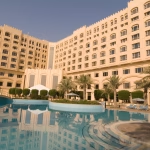 Boutique Hotel Website Design